Today, the majority of software companies have implemented artificial intelligence tools into their products. Many artificial intelligence analysts and researchers worry that AI is moving too fast, creating more risk for software companies. This is because my so fast, the AI tools are spending less time focusing on safety and more time on growing the tools' use in the market.
In a CNBC article, the Wall Street Journal reported that "OpenAI fired one of its top safety executives after she voiced opposition to the rollout of an “adult mode” that allows pornographic content on ChatGPT." Moreover, on his way to quit, researcher for OpenAI, stated that "the technology has “a potential for manipulating users in ways we don’t have the tools to understand, let alone prevent." This concern explains the recent 1.50% drop in the Technology Software Sector ETF. (An ETF is a generalized measure of stocks in a particular sector).
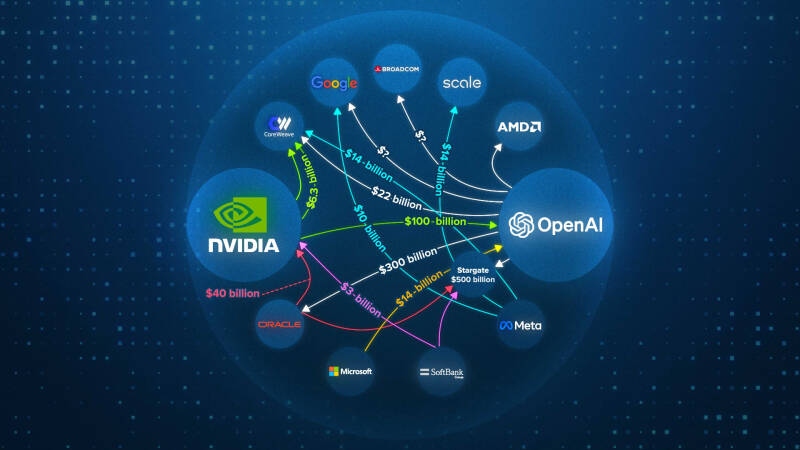
Others worry of the possibility of an AI bubble: when investors spend more money on AI companies than they can manage to according to the revenue they earn. This is why "investors had grown weary that the massive run-up in spending on AI hardware might not be sustainable," due to the possibility of an AI bubble in the sector.
In another CNBC article, Nvidia CEO Jensen Huang stated that "Wednesday markets have miscalculated the AI threat to software companies." While it's possible software companies will fail due to the overuse of AI, CEO Niles claims "the most resilient players will be in the database and cybersecurity sectors."
Former Intel CEO Pat Gelsinger states that "although the AI-driven market is already in a bubble, it would be “several years” before he sees it ending." So, we're in an artificial intelligence bubble, but it'll likely take years for the bubble to pop. In other words, the bubble has "plenty of time before it pops." How long do you think it'll be? Will you live to see this bubble "pop?"